
Paper crafts
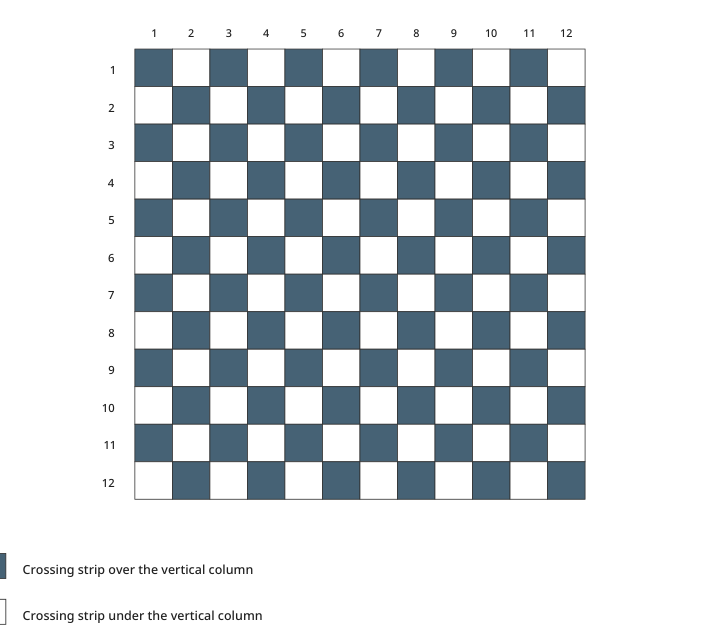
Plain paper weaving mat
Try a plain paper weave with alternating crossings and a matched chart. This is a useful starting sequence before comparing diagonal or balanced-twill variants.
Paper crafts
Make a diagonal paper weave using a two-over, one-under sequence with changing row starts. Use the supplied chart to establish the diagonal instead of repeating the same start on every row.
Previews show up to the first two pages. Download the PDF for every page listed in its contents.
Preview of the actual PDF. Open the PDF
MAKE IT WORK FOR YOU
Free · 52 KB · No account needed
Print at actual size and measure the 50 mm reference line before using physical measurements.
Enter these page numbers in your PDF viewer’s print range. Keep any instructions, matching answers and required project pieces.
Studio opens its own editable layout. Check its preview before downloading.
Diagonal paper weave - 2 over, 1 under / LETTER
Use this packet’s chart with its foundation and strips; it is not interchangeable with the plain or balanced-twill chart.
Keep the strips loose enough to correct a crossing while you work. Compare each new row with its chart before adding the next. The pattern distinction lies in the actual sequence, not just the color of the strips.
A 140 × 140 mm foundation, twelve 140 × 9 mm crossing strips, and a 3-row weave sequence.
Make one trial on ordinary paper before using special stock or preparing a batch. No physical test result is claimed.
KEEP THE IDEA GOING
Paper crafts
Try a plain paper weave with alternating crossings and a matched chart. This is a useful starting sequence before comparing diagonal or balanced-twill variants.
Paper crafts
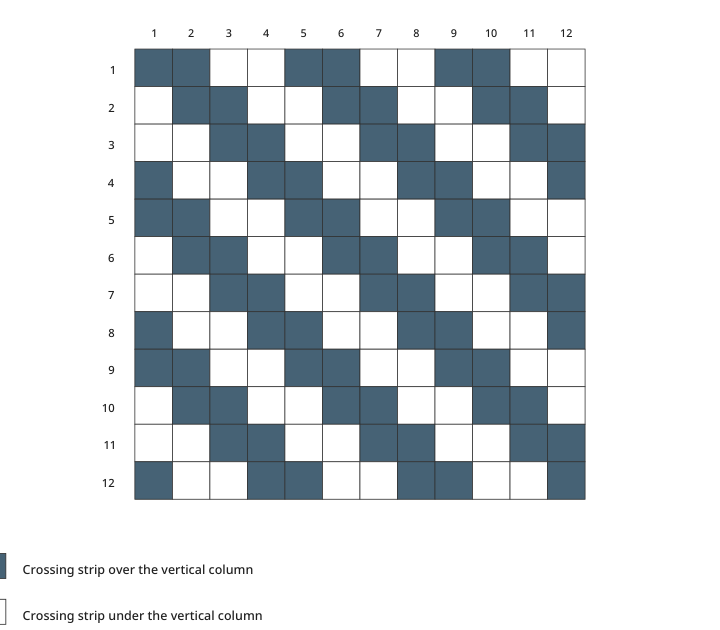
Explore a balanced twill paper weave with two-over, two-under crossings and a four-row sequence. The packet includes the foundation, crossing strips and matching chart.
Paper crafts
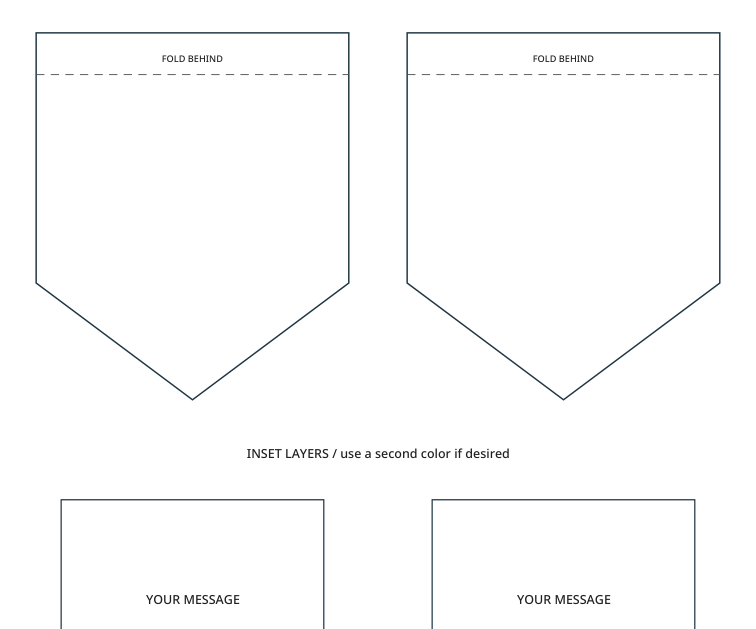
Build layered bunting with separate outer pennants and inset pieces. The hanging flap belongs to the outer piece; the inset is positioned below it.